
A small, rural school district in Western New York has shelved — at least for now — one of the most ambitious classroom AI experiments in the United States. Salamanca City Central School District announced on Friday, July 24, that its plan to place a humanoid robot in a high school classroom is on hold, just hours after the State Education Department formally raised concerns about the project.
What the district planned
The district, which serves roughly 1,300 students on the Seneca Nation reservation, had agreed last month to spend $57,590 on a robot built by Toronto-based tech company Realbotix, together with an AI teacher's assistant program that lets students interact with a digital avatar of the robot on their laptops. The investment, approved at a June school board meeting, was discounted — Realbotix lists the M-Series model the district purchased at a starting price of $95,000.
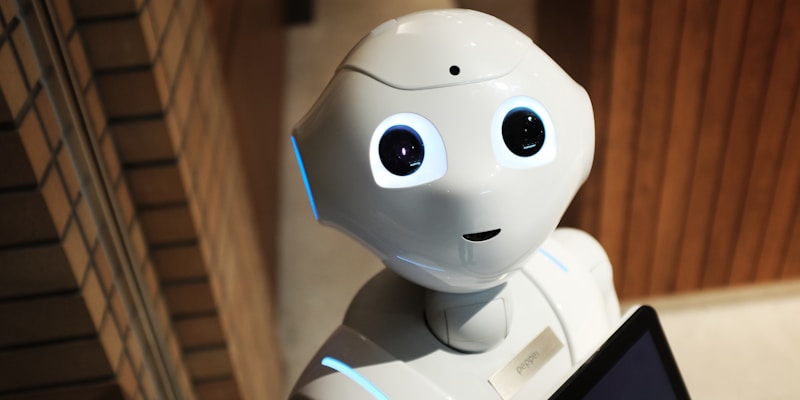
The robot, named Sally, was designed to have a lifelike appearance, with silicone skin, long brown hair, and a wide range of upper-body movements and facial expressions, though it would remain seated in a stationary position. Students would use a unique identification code when approaching the robot, allowing it to connect classroom conversations with each student's prior interactions with the avatar. Through the avatar, students could upload photos of homework for feedback, ask for generated lessons, or receive real-time translation in more than 100 languages.
Salamanca planned to introduce the robot this fall in its high school AI and robotics courses, which use a curriculum developed by Apple co-founder Steve Wozniak to prepare students for high-demand tech jobs. Superintendent Mark Beehler defended the plan as an alternative to prohibition: "Many schools are taking the easy solution of simply banning it," he said. "I also believe it is critical for schools to teach proper use of technology, not simply exclude it."
Why the plan hit pause
The pilot drew intense scrutiny after New York Focus first reported it in mid-July. Parents, teachers, and the state teachers union raised concerns about student privacy, screen time, and Realbotix's corporate history: in April 2024, the company acquired Simulcra, the parent company of RealDoll, a maker of hyperrealistic adult products. Realbotix says the education business shares no employees, payroll, facilities, or technology with RealDoll, and that it expects to formally separate the businesses at the ownership level by September.
New York State United Teachers president Melinda Person was blunt: "A robot built by a company associated with sex dolls has no business in our classrooms," she said, adding that no robot, however lifelike, can provide the human connection students need.
Hours before the district's announcement, State Education Commissioner Betty Rosa sent Superintendent Beehler a letter stating that "the Department remains concerned about the effect that a humanoid robot may have within a high school classroom," noting that many parents, teachers, and stakeholders are "understandably concerned about the presence of artificial intelligence technology in classrooms, particularly when it involves robots that resemble humans."
The safeguards that were promised
The district had outlined several guardrails:
- A closed system with no internet connection, so student data stays local
- No access by Realbotix to personally identifiable student information
- No facial recognition or recording features, unlike the company's commercial robots
- Training the robot to say "I don't know" rather than hallucinate answers
- Automatic alerts to school administrators for flagged terms related to self-harm
What happens next
According to the district's Facebook post, officials will "work through enhanced student data privacy agreements" with the state education agency and engage with community members before proceeding. Realbotix CEO Andrew Kiguel said the company fully respects the decision: "We want the program to be demonstrably safe, fully district-approved, and strongly supported by teachers."
The episode lands amid a broader reckoning over AI in schools. In May, the state teachers union called for strict limits on AI and screen time, and earlier this month New York City Public Schools announced an educational technology purchasing freeze until it finalizes AI guidance later this summer. Whether Salamanca's robot ever takes its seat in the classroom may depend less on the technology itself than on whether the district can convince its community that the guardrails are real.